Copy the Caption Link
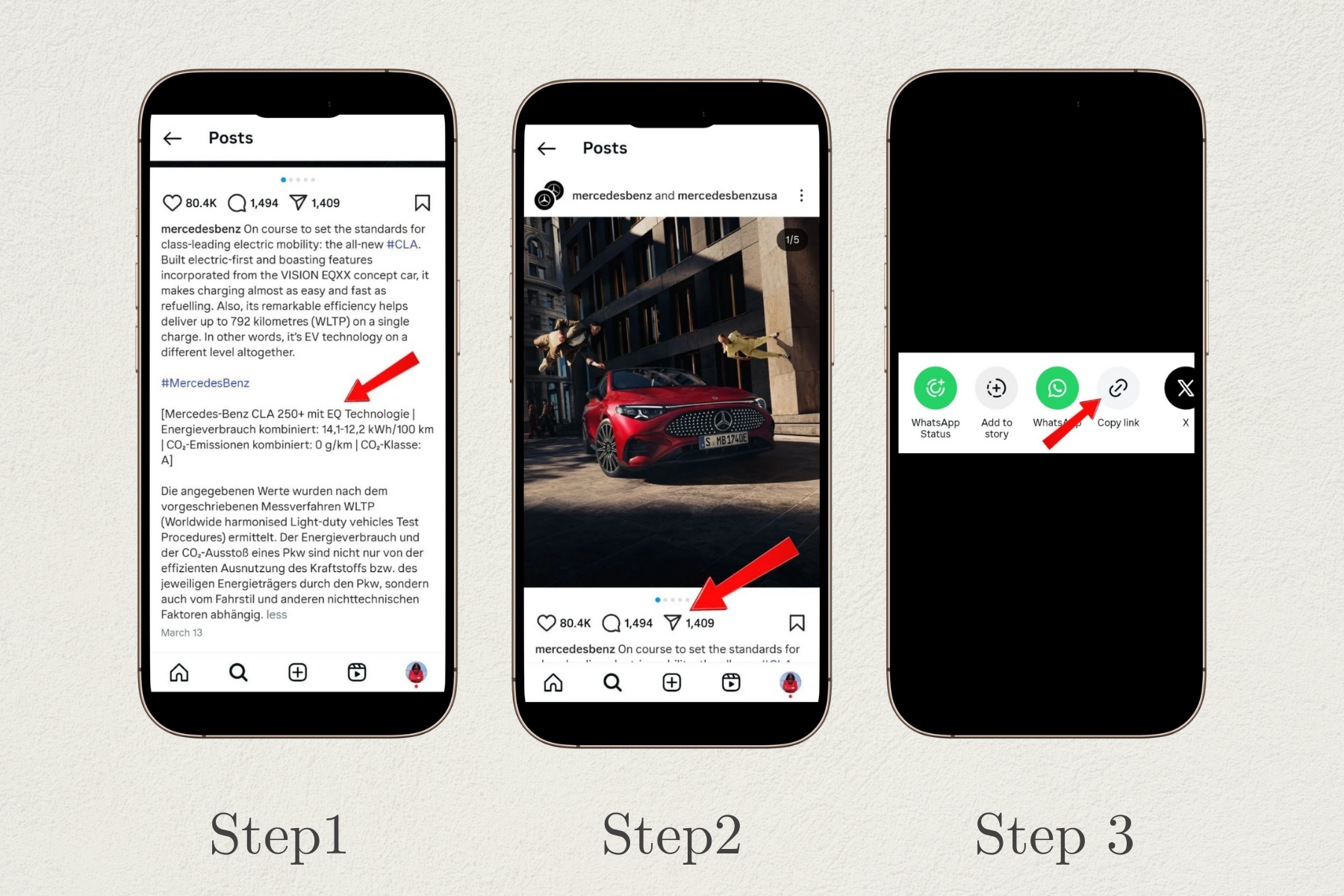
Go to Instagram, find the post with your favorite caption, tap the three dots (•••), and select "Copy Link."
While some reviews praise the "improved dynamics" in the drums and guitars, audiophile critics often find the 2017 master too compressed and "smoothed out" compared to original UK analog pressings, which retain more transparency and transient snap.
The original vinyl cut in 1977 was notoriously quiet and dynamic. The high frequencies were rolled off to accommodate the dense synth layers, and the bass response varied wildly between pressings. For forty years, fans complained that digital versions sounded "too clean" or "too flat."
It is on the second half of the album—the instrumental soundscapes—where the file truly shines. "Art Decade" and "Weeping Wall" rely on subtle shifts in timbre and volume. The high dynamic range of 24-bit audio ensures that the quietest synth swells are audible without the "hiss" often found on older digital transfers. Final Verdict David Bowie - Low -2017- -FLAC 24-192-
The album maintains its legendary split structure: Side A (tracks 1–7) features avant-pop song fragments, while Side B (tracks 8–11) consists of ambient, instrumental explorations. Apple Music Speed of Life Breaking Glass What in the World Sound and Vision Always Crashing in the Same Car Be My Wife A New Career in a New Town Art Decade Weeping Wall Subterraneans Critical Reception & Comparison Audiophile Consensus:
The in high-resolution FLAC 24-bit/192kHz format is a high-fidelity digital transfer derived from the original analog master tapes. Released as part of the A New Career in a New Town (1977–1982) box set, this version has sparked significant debate among audiophiles regarding its tonal balance and dynamic range. Technical Profile & Source Format: FLAC (Free Lossless Audio Codec). Resolution: 24-bit depth with a 192kHz sampling rate. Essay: David Bowie — Low (2017, FLAC 24‑192)
Conclusion Low remains a study in controlled deconstruction: songs stripped to essential gestures, instrumentals that treat silence as a compositional tool, and production that foregrounds texture and space. The 2017 FLAC 24‑192 edition doesn’t rewrite the album’s meanings but offers a clearer window into its sonic architecture, rewarding attentive listening by revealing subtle production choices, ambient detail, and the fragile human center beneath the record’s cool surface.
Production and Collaboration Recorded mainly at Château d’Hérouville and Hansa Tonstudio, Low’s sound grew from a sparse production aesthetic. Tony Visconti’s production choices—dry drum sounds, close mic’ing, inventive use of flanging and gated reverb—give the album an immediate, sometimes brittle presence. Brian Eno’s role, especially on the instrumentals, introduced tape loops, synth textures, and processing techniques that blurred lines between composition and sound design. The rhythm section (notably Carlos Alomar and Dennis Davis) maintains a lean, propulsive foundation while keyboards and treated guitars supply color and dislocation. For forty years, fans complained that digital versions
The keyword contains a technical promise that casual listeners might ignore. Let’s break it down:
Our online tool makes the process easy! Let's see how to copy an Instagram caption in just a few simple steps:
Go to Instagram, find the post with your favorite caption, tap the three dots (•••), and select "Copy Link."
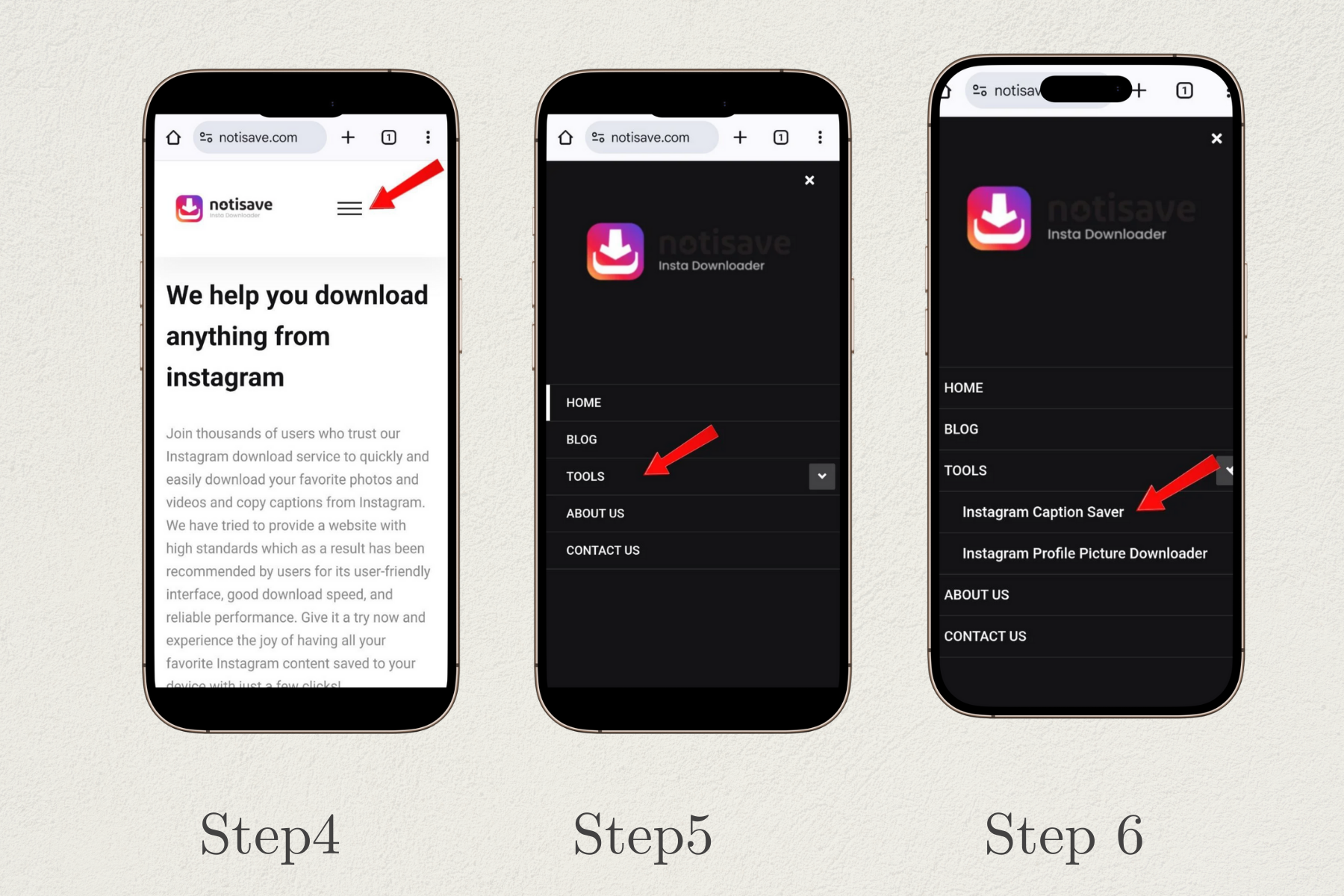
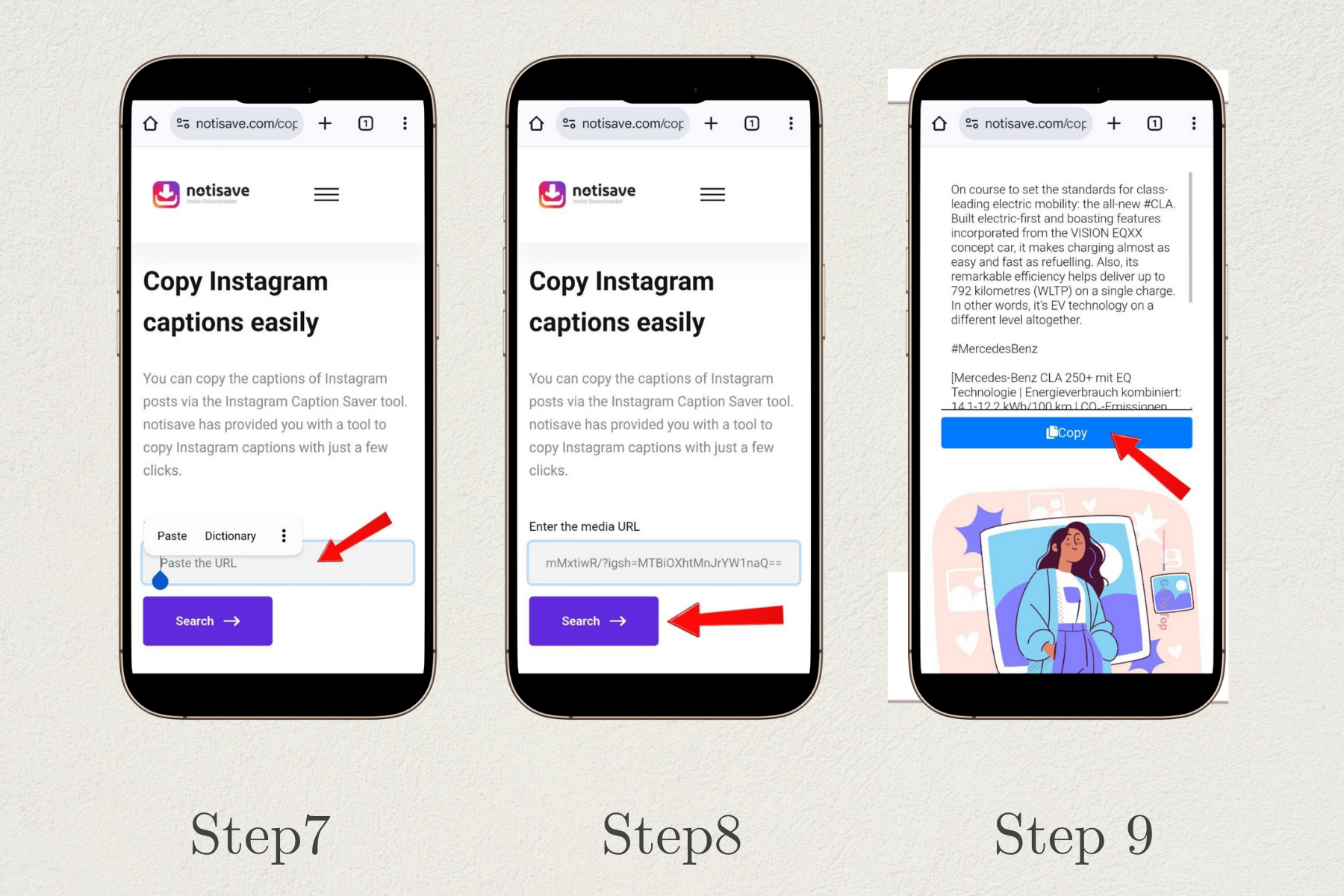
Now open the website and paste the link into the copy caption box.
Hit "Download," and instantly grab the caption; no sign-up, no hassle, just pure convenience!
While some reviews praise the "improved dynamics" in the drums and guitars, audiophile critics often find the 2017 master too compressed and "smoothed out" compared to original UK analog pressings, which retain more transparency and transient snap.
The original vinyl cut in 1977 was notoriously quiet and dynamic. The high frequencies were rolled off to accommodate the dense synth layers, and the bass response varied wildly between pressings. For forty years, fans complained that digital versions sounded "too clean" or "too flat."
It is on the second half of the album—the instrumental soundscapes—where the file truly shines. "Art Decade" and "Weeping Wall" rely on subtle shifts in timbre and volume. The high dynamic range of 24-bit audio ensures that the quietest synth swells are audible without the "hiss" often found on older digital transfers. Final Verdict
The album maintains its legendary split structure: Side A (tracks 1–7) features avant-pop song fragments, while Side B (tracks 8–11) consists of ambient, instrumental explorations. Apple Music Speed of Life Breaking Glass What in the World Sound and Vision Always Crashing in the Same Car Be My Wife A New Career in a New Town Art Decade Weeping Wall Subterraneans Critical Reception & Comparison Audiophile Consensus:
The in high-resolution FLAC 24-bit/192kHz format is a high-fidelity digital transfer derived from the original analog master tapes. Released as part of the A New Career in a New Town (1977–1982) box set, this version has sparked significant debate among audiophiles regarding its tonal balance and dynamic range. Technical Profile & Source Format: FLAC (Free Lossless Audio Codec). Resolution: 24-bit depth with a 192kHz sampling rate.
Conclusion Low remains a study in controlled deconstruction: songs stripped to essential gestures, instrumentals that treat silence as a compositional tool, and production that foregrounds texture and space. The 2017 FLAC 24‑192 edition doesn’t rewrite the album’s meanings but offers a clearer window into its sonic architecture, rewarding attentive listening by revealing subtle production choices, ambient detail, and the fragile human center beneath the record’s cool surface.
Production and Collaboration Recorded mainly at Château d’Hérouville and Hansa Tonstudio, Low’s sound grew from a sparse production aesthetic. Tony Visconti’s production choices—dry drum sounds, close mic’ing, inventive use of flanging and gated reverb—give the album an immediate, sometimes brittle presence. Brian Eno’s role, especially on the instrumentals, introduced tape loops, synth textures, and processing techniques that blurred lines between composition and sound design. The rhythm section (notably Carlos Alomar and Dennis Davis) maintains a lean, propulsive foundation while keyboards and treated guitars supply color and dislocation.
The keyword contains a technical promise that casual listeners might ignore. Let’s break it down:
Paste the Instagram link on our tool, and you'll get the caption instantly and for free!